Understanding Mini Split Air Conditioners
As homeowners increasingly seek efficient and effective cooling solutions, the mini split air conditioner is gaining popularity. These compact systems offer a modern alternative to traditional HVAC units, delivering both heating and cooling capabilities with minimal space requirements. This article delves into the inner workings of mini split systems, their advantages over conventional HVAC systems, and what to consider before making a purchase.
What is a mini split air conditioner?
A mini split air conditioner, often referred to as a ductless system, is an HVAC unit that provides both heating and cooling without the need for ductwork. It consists of two main components: an outdoor compressor and one or more indoor air-handling units. This design allows for flexible installation in various spaces, making it a popular choice for homes, offices, and even commercial settings.
Key components and technology explained
The primary components of a mini split system include:
- Outdoor Unit: Houses the compressor and condenser, responsible for expelling heat from the air.
- Indoor Unit: Located within the living space, this unit cools or heats the air before circulating it back into the room.
- Refrigerant Lines: These lines connect the indoor and outdoor units, carrying refrigerant that absorbs heat from inside and releases it outside.
- Thermostat Control: Allows for temperature regulation and can be part of a smart home's system.
This configuration not only improves energy efficiency but also enhances comfort by allowing for zoned heating and cooling, where each indoor unit can be controlled separately based on occupancy and preference.
Comparing mini split systems to traditional HVAC
When evaluating heating and cooling options, it's essential to compare mini split systems with traditional HVAC setups. Here are some key differences:
- Energy Efficiency: Mini splits often utilize inverter technology, which adjusts the compressor's speed for more consistent temperature maintenance and lower energy consumption.
- Installation Flexibility: Unlike traditional systems that require extensive ductwork, mini splits can be installed in various locations with minimal disruption.
- Cost Considerations: Although the initial investment may be higher, mini splits can lead to significant savings on energy bills in the long run.
Benefits of Mini Split Air Conditioners
Energy efficiency and cost savings
One of the most significant advantages of mini split air conditioners is their energy efficiency. Many models boast ratings of 20 SEER (Seasonal Energy Efficiency Ratio) or higher, which translates to lower monthly energy bills. This efficiency is particularly notable during peak cooling periods, where traditional air conditioning units may struggle under high demand.
Enhanced comfort with zoned cooling
With the ability to control each indoor unit separately, mini splits offer enhanced comfort. Homeowners can create personalized environments suited to individual preferences, ensuring that no energy is wasted on unoccupied rooms. Zoned cooling also means that adjusting temperatures in occupied spaces is quick and efficient, enhancing the overall feel of the home.
Quiet operation and aesthetic appeal
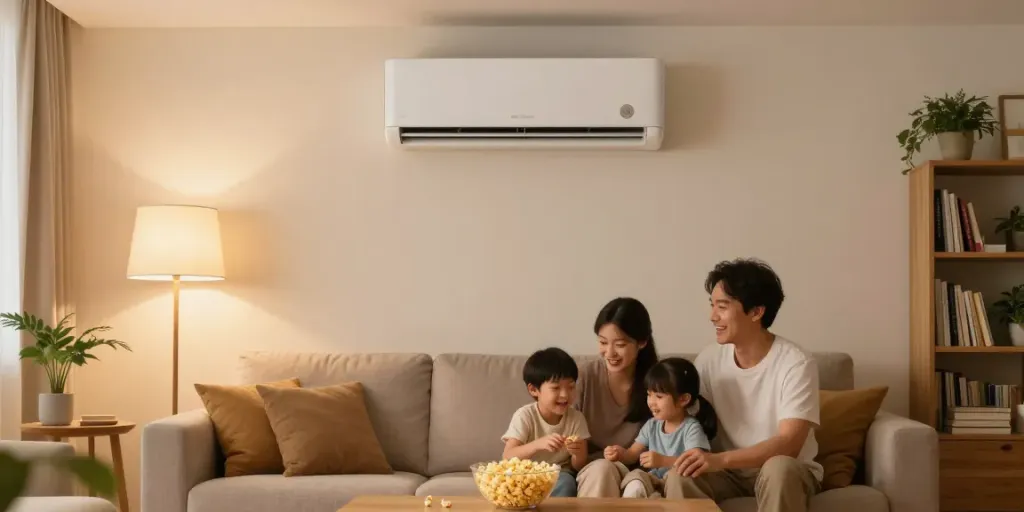
Another appealing feature of mini split systems is their quiet operation. Unlike traditional HVAC systems, which can be noisy and disruptive, mini splits operate at sound levels comparable to a whisper. This tranquility makes them ideal for bedrooms, offices, or any space where noise is a concern. Additionally, the sleek and modern design of the indoor units integrates seamlessly into various decor styles, avoiding the bulky appearance of window units or floor-mounted heaters.
Installation Process for Mini Split Systems
Choosing the right location for installation
Proper installation is crucial for maximizing the performance of a mini split air conditioner. Selecting the right location for both the indoor and outdoor units will ensure optimal airflow and access for maintenance. Consider the following tips:
- Place the indoor unit high on the wall to facilitate air circulation.
- Ensure the outdoor unit is on a stable, level surface and not obstructed by debris or vegetation.
- Maintain a distance from the ground to prevent flooding and ensure effective heat exchange.
Steps for professional versus DIY installation
While many homeowners opt for professional installation, DIY installation is also an option for those with the necessary skills. The installation process involves:
- Mounting the indoor unit on the wall and securing it in place.
- Installing the outdoor unit and connecting the refrigerant lines.
- Electrical connections are made, ensuring compliance with local code regulations.
- Testing the system to confirm that it operates correctly.
Professional installers may offer added convenience and warranties that can provide peace of mind.
Common installation challenges and solutions
Homeowners may encounter several challenges during installation, such as:
- Insufficient Space: Ensure there’s enough space for maintenance and airflow around the units.
- Incorrect Sizing: Consult with an HVAC expert to determine the correct capacity needed for your space.
- Weather Conditions: Avoid installing during extreme weather, which can complicate the process and affect system performance.
Maintenance Tips for Optimal Performance
Routine cleaning and checks to ensure efficiency
To maintain optimal performance and prolong the lifespan of your mini split air conditioner, regular maintenance is essential. Here are some routine checks and cleaning tips:
- Clean or replace the air filters regularly, typically every 1-3 months.
- Inspect the outdoor unit for debris, clear obstructions, and ensure proper airflow.
- Schedule annual professional maintenance for comprehensive system checks.
Signs that indicate maintenance is needed
Several warning signs can indicate that your mini split requires attention, including:
- Inconsistent cooling or heating across different indoor units.
- Strange noises or vibrations coming from the indoor or outdoor units.
- Unpleasant odors, which could indicate mold or mildew buildup.
When to call a professional for repairs
While many maintenance tasks can be handled by homeowners, some issues require professional intervention. If you notice any of the following, it's time to call an HVAC technician:
- Electrical issues, such as tripped breakers or flickering lights when the system operates.
- Refrigerant leaks, as these can harm both the system and the environment.
- Persistent operational issues that do not resolve after basic troubleshooting.
Future Trends in Mini Split Technology
Innovations to watch in 2026 and beyond
As technology continues to advance, several trends are emerging in mini split systems. The focus is on improving energy efficiency, convenience, and user experience. Notable trends include:
- Smart Technology: Integrating smart home systems with mini splits for enhanced control, scheduling, and remote access.
- Improved Energy Ratings: Continued advancements in efficiency ratings, providing consumers with even better energy savings.
- Eco-Friendly Refrigerants: A shift towards refrigerants that have a lower environmental impact and comply with environmental regulations.
Smart technology integrations
Smart technology is transforming the way homeowners interact with their heating and cooling systems. Features like smartphone apps allow users to adjust settings remotely, receive alerts for maintenance needs, and even monitor energy usage in real time. This interconnectedness enhances overall user experience and ensures optimum comfort.
Environmental impacts and sustainability practices
As society grows increasingly aware of environmental issues, manufacturers are focusing on sustainability in mini split systems. This includes using recyclable materials in unit construction and producing models that minimize energy consumption without sacrificing performance.
What are the disadvantages of a mini split?
While mini splits offer numerous benefits, they also come with a few disadvantages. These can include:
- Higher Initial Costs: The purchase and installation costs can be significant compared to traditional systems, making them less accessible for some homeowners.
- Restricted Heating in Extreme Cold: Mini splits may struggle to maintain efficiency in extremely cold temperatures, though many modern units are designed to handle lower external temperatures.
- Possible Aesthetic Concerns: Some homeowners may find the indoor units intrusive, especially in design-conscious spaces.
Is a mini split air conditioner worth it?
Ultimately, the answer depends on individual circumstances, such as home layout, local climate, and personal preferences. However, the efficiency, comfort, and flexibility that mini split systems offer make them a worthy investment for many homeowners.
How much is a mini split for a 1000 sq ft house?
The cost of a mini split system for a home of around 1000 square feet can vary significantly based on factors like brand, features, and installation complexity. On average, homeowners can expect to spend between $3,000 and $8,000 for the system, including equipment and installation. While this may seem steep, the long-term savings on energy bills can offset the initial expense.