Understanding Smart Homes and Their Benefits
As the world becomes increasingly interconnected, the concept of a smart home is evolving from a futuristic dream into an everyday reality. Smart homes harness cutting-edge technology to enhance comfort, security, and efficiency, making life easier and more enjoyable for their inhabitants. With innovations in home automation and the Internet of Things (IoT), homeowners now have the power to control their living environment with just a few taps on their smartphones.
When exploring options, خانه هوشمند جهان اسمارت provides comprehensive insights into smart home solutions that transform traditional living spaces into modern havens. From smart speakers to advanced security systems, the possibilities are endless, catering to both residential and commercial needs.
What is a Smart Home?
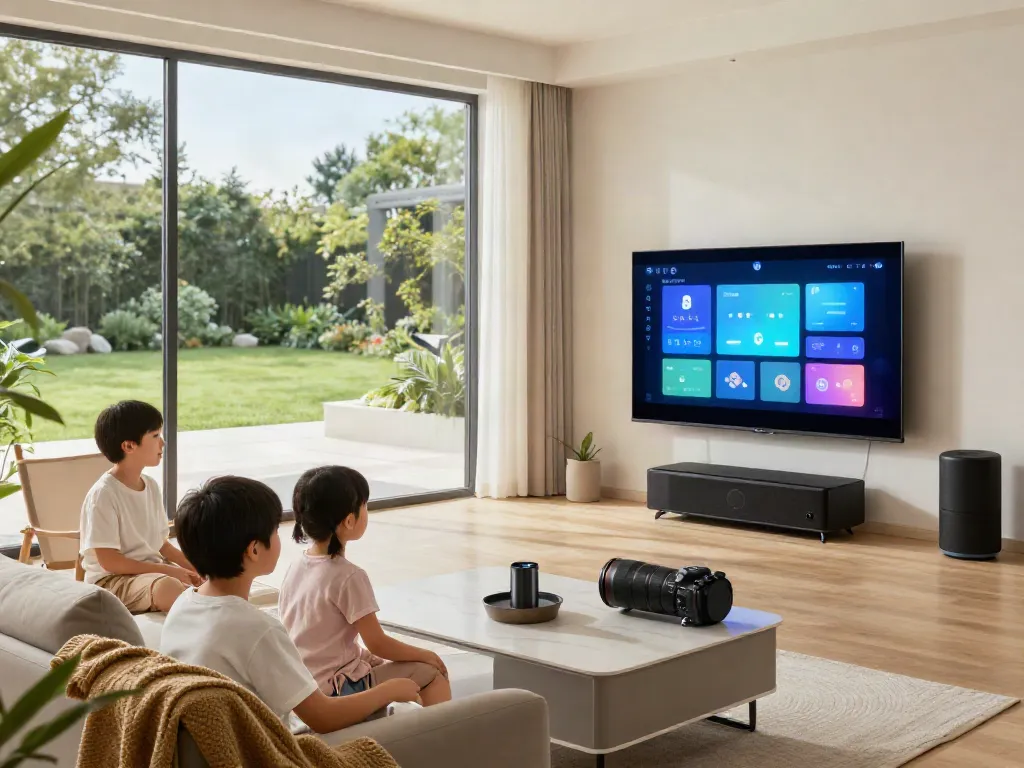
A smart home is a residence equipped with devices that automate tasks traditionally performed by humans. These devices are connected to the internet, allowing for remote management and monitoring. Smart homes often include smart lighting, heating and cooling systems, security cameras, and more, which can all be controlled via smartphones, tablets, or voice assistants.
Key Advantages of Smart Home Technology
- Increased Convenience: Smart devices simplify daily tasks, enabling homeowners to manage their homes effortlessly.
- Enhanced Security: Home security systems integrated with IoT technology provide real-time surveillance and alerts.
- Energy Efficiency: Smart thermostats and lighting systems optimize energy use, leading to cost savings.
- Remote Access: Homeowners can control and monitor their homes from anywhere in the world.
Common Misconceptions about Smart Homes
Despite the growing popularity of smart homes, several misconceptions persist. Some people believe that smart home technology is too complex or expensive, while others worry about privacy and security risks. In reality, many systems are user-friendly and affordable, and with proper installation and setup, concerns about data security can be effectively managed.
Essential Features of خانه هوشمند جهان اسمارت
Smart Audio Systems Explained
Smart audio systems are at the heart of modern home entertainment. These systems offer seamless connectivity with various devices, allowing you to stream music, podcasts, and audiobooks throughout your home. Integration with voice assistants means you can control your audio experience hands-free, adjusting volume or switching tracks with simple voice commands.
Leading brands such as Bose and Sonos have developed smart speakers that not only deliver exceptional sound quality but also sync with other smart home devices for a cohesive user experience.
Innovative Security Solutions for Modern Homes
Home security has seen significant advancements with the introduction of smart technology. Products like smart locks, video doorbells, and CCTV systems provide comprehensive security solutions. These devices can be monitored remotely, alerting homeowners to any suspicious activities in real-time. For instance, facial recognition technology in smart locks enhances security by allowing access only to recognized users.
Energy Efficiency and Smart Thermostats
Smart thermostats are one of the most effective ways to improve energy efficiency in a smart home. Devices like the Nest Learning Thermostat learn user behaviors and adjust heating and cooling accordingly, significantly reducing energy consumption. This not only lowers utility bills but also contributes to environmental sustainability.
How to Implement Smart Home Solutions
Step-by-Step Guide to Setting Up Your Smart Home
- Assess Your Needs: Identify which areas of your home you want to automate, such as lighting, security, or entertainment.
- Research Devices: Investigate various smart home devices and choose those that best fit your needs and budget.
- Install the Systems: Follow manufacturer instructions for installation or hire a professional for more complex systems.
- Integrate Your Devices: Use platforms like Amazon Alexa, Google Assistant, or Apple HomeKit to connect all devices for seamless control.
- Customize Settings: Adjust device settings to suit your lifestyle and preferences for optimal performance.
Challenges in Smart Home Installation and How to Overcome Them
While the installation of smart home technology can be straightforward, challenges may arise, such as compatibility issues between different devices or connection problems. To overcome these obstacles, it’s essential to choose devices that are compatible with one another and to consult with professionals if complex installations are required. User-friendly apps and customer support are also invaluable resources during the setup process.
Tips for Maintaining Your Smart Home Systems
Maintaining a smart home is crucial for its longevity and efficiency. Regularly update software and firmware to ensure all devices are secure and functioning optimally. Additionally, periodically review your device settings and usage patterns to adapt the systems to changing needs, such as family dynamics or energy consumption goals.
Future Trends in Smart Home Technology for 2026
Emerging Technologies and Innovations
As technology evolves, so do smart home solutions. The future will likely see advancements in artificial intelligence, allowing devices to learn and adapt to user preferences even more effectively. Additionally, innovations in energy storage and management will facilitate smarter energy consumption, enabling homes to harness renewable sources more efficiently.
Predictions for Smart Home Adoption
Market analysts predict that by 2026, a majority of homes will be equipped with at least one smart device, with the trend moving toward full home automation. As costs decrease and awareness increases, more homeowners will embrace the benefits of smart technology.
How AI Will Transform Smart Living
Artificial Intelligence (AI) will play a pivotal role in the next generation of smart homes. From predictive analysis that anticipates user needs to enhanced security measures capable of identifying threats automatically, AI will revolutionize how we interact with our homes. The integration of machine learning algorithms will enable systems to continuously improve and evolve based on user behavior.
Case Studies: Successful Smart Home Implementations
Residential Projects by خانه هوشمند جهان اسمارت
خانه هوشمند جهان اسمارت has successfully implemented numerous smart home projects, showcasing their expertise and commitment to quality. From automated lighting systems to advanced security solutions, each project reflects the company's dedication to enhancing living experiences through technology.
Commercial Applications of Smart Technology
In addition to residential solutions, smart technology has found its place in commercial settings. Businesses now utilize smart systems for security, energy management, and operational efficiency, demonstrating the versatility and importance of smart solutions across various sectors.
Client Testimonials and Satisfaction Rates
Feedback from clients highlights the transformative impact of smart home technology. Many homeowners report increased convenience, enhanced security, and significant energy savings. These testimonials reflect the high satisfaction rates associated with products and services offered by خانه هوشمند جهان اسمارت.
What are the Benefits of Smart Home Solutions?
Smart home solutions provide a multitude of benefits, including increased energy efficiency, enhanced security, and improved convenience. By automating various aspects of home management, homeowners can enjoy a more comfortable lifestyle while also reducing their environmental footprint.
How Do Smart Homes Improve Security?
Smart homes improve security through the implementation of advanced technologies such as smart locks, surveillance cameras, and alarm systems. These devices enable real-time monitoring and alerts, ensuring that homeowners are always aware of what’s happening in and around their properties.
What Features Should I Look For in a Smart Home?
When considering smart home features, prioritize compatibility, ease of use, and the ability to integrate with existing devices. Look for products that offer robust security features, energy management capabilities, and user-friendly interfaces to ensure a seamless experience.
How Much Does It Cost to Implement Smart Home Solutions?
The cost of smart home implementation can vary significantly based on the types and number of devices selected. It’s essential to create a budget and start with key areas such as security or energy management before expanding into additional features.
Are Smart Homes Suitable for Everyone?
Smart homes can benefit nearly anyone, but the level of automation and specific features may vary based on individual needs and lifestyles. Considerations such as age, technological comfort, and family dynamics can influence the suitability of smart home technology for different households.