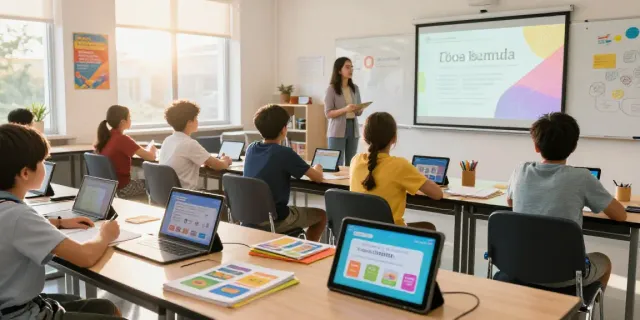
Understanding the Basics of Language Acquisition
Language acquisition is a fundamental aspect of human development that encompasses the process of learning a new language. It is crucial not only for communication but also for cognitive development and cultural integration. As we delve into the intricacies of language learning, it's vital to recognize how different methodologies can influence our mastery of foreign languages. For those seeking effective resources, Toto provides valuable insights into language education.
What is Language Acquisition and Its Importance?
Language acquisition refers to the way individuals learn a language, often categorized into two basic types: first language acquisition and second language acquisition. First language acquisition occurs naturally during childhood when children absorb their native tongue without formal instruction. Second language acquisition, on the other hand, involves learning an additional language later in life, often requiring structured educational approaches. Understanding the importance of language acquisition helps elucidate why diverse learning strategies are essential, particularly in our increasingly globalized world.
The Role of Motivation in Learning Languages
Motivation plays a significant role in successful language acquisition. Learners need both intrinsic motivation, which stems from personal satisfaction and interest in the language, and extrinsic motivation, which arises from external factors such as job opportunities or travel. Studies have shown that highly motivated learners tend to spend more time practicing and eventually achieve higher proficiency. Recognizing what's driving a learner can significantly influence their engagement and success in achieving language goals.
Common Misconceptions About Language Learning
Many learners come with preconceived notions about language acquisition, believing that it is exclusively a talent some people possess. However, this is a misconception. Language learning is a skill that can be developed through practice and exposure. Additionally, some learners think that learning grammar rules at the outset is paramount, whereas real-life conversational practice often results in faster language acquisition. Understanding these misconceptions can help learners adopt more effective strategies that enhance their language learning experience.
Essential Tools for Language Learning Success
To thrive in language learning, various tools and resources can streamline the acquisition process. From textbooks and audio materials to online courses and mobile applications, each offers unique benefits that cater to different learning styles. Leveraging the right tools not only makes learning more enjoyable but also more effective, particularly when tailored to personal goals and preferences.
Overview of Effective Educational Resources
Educators and learners can choose from a vast array of educational resources, including traditional textbooks, multimedia content, and interactive software. Resources like interactive grammar exercises, pronunciation guides, and vocabulary flashcards can significantly aid learners in solidifying their knowledge. Moreover, online platforms offer courses that incorporate both teaching and practical usage, allowing learners to gain a well-rounded understanding of the language directly relevant to their needs.
Leveraging Technology for Enhanced Learning Experiences
Technology has transformed the landscape of language learning, providing learners with unprecedented access to resources. Language learning apps, online tutoring services, and platforms for language exchange create immersive environments for practice. Furthermore, podcasts and video tutorials allow learners to hear native pronunciations and understand cultural contexts. By exploiting these technological advancements, learners can accelerate their language acquisition.
Creating a Personalized Study Plan
Developing a personalized study plan is crucial for effective language learning. Such a plan should consider individual goals, available time, and preferred learning styles. Setting short-term and long-term objectives can keep motivation levels high and track progress more systematically. Furthermore, regularly reviewing and adjusting the study plan based on outcomes ensures that it remains relevant to the learner's evolving needs.
Interactive Learning Techniques for Language Mastery
Interactive techniques can significantly enhance a learner’s ability to grasp a new language. Engaging with the language actively rather than passively helps solidify concepts and vocabulary in the learner's mind. Various innovative methods exist that cater to different learning preferences, making the process enjoyable and effective.
Utilizing Online Courses and Mobile Apps
Online courses and mobile applications have made language learning accessible anytime and anywhere. These resources often include interactive exercises, quizzes, and video content that facilitate engagement. Platforms such as Duolingo and Rosetta Stone offer structured learning paths, while sites like Reddit provide forums where learners can practice and share tips. By incorporating these resources, learners can enhance their understanding in a fun and interactive way.
The Power of Group Learning and Language Exchange
Group learning settings, such as language classes or study groups, can enhance motivation and accountability. Language exchange partners, where learners teach each other their native languages, also provide real-world practice opportunities. Engaging with others enhances listening and speaking skills, and learners often feel more comfortable practicing with peers. The camaraderie built in these settings can lead to heightened interest and commitment to the language-learning journey.
Benefits of Multimedia Resources in Language Learning
Multimedia resources, such as videos, songs, and interactive games, can make language learning more dynamic and enjoyable. These tools not only provide context and emotional connection to the language but also cater to various learning styles. Visual and auditory learners benefit significantly from resources that combine imagery with sound, making vocabulary acquisition more intuitive and memorable.
Assessing Your Progress and Adaptations
Regular assessment of language learning progress is essential to identify strengths and areas for improvement. By setting clear proficiency goals and utilizing diagnostic tests, learners can adapt their study strategies effectively, ensuring continuous improvement and engagement.
Setting Realistic Language Proficiency Goals
Establishing realistic goals is crucial for maintaining motivation throughout the learning process. Goals should be specific, measurable, achievable, relevant, and time-bound (SMART). By breaking down larger objectives into smaller, manageable tasks, learners can celebrate their achievements and stay motivated on their language-learning journey.
Evaluating Your Learning with Diagnostic Tests
Diagnostic tests are an excellent way for learners to assess their current proficiency level and identify areas needing attention. Many online platforms offer these tests for free, providing learners with immediate feedback on their skills. By regularly taking these evaluations, learners can track their progress over time and adjust their study focus based on results.
Adjusting Study Tactics Based on Feedback
Feedback from various sources—be it through tests, conversational practice, or instructor evaluations—should be used constructively. Adapting study tactics in response to feedback can significantly boost a learner's effectiveness. For instance, if a learner struggles with pronunciation, they can dedicate more time to listening exercises or seek additional resources focusing on oral skills.
Future Trends in Language Learning for 2026 and Beyond
The landscape of language learning is continuously evolving, with new trends and technologies shaping how we acquire new languages. Staying abreast of these changes will be pivotal for learners looking to maximize their language skills in the future.
Innovative Learning Methods Shaping Language Education
Innovative methods such as gamification, where game design elements are incorporated into learning, are increasingly popular. This technique promotes engagement through rewards and challenges, making the learning process more enjoyable. Additionally, virtual reality (VR) experiences allow learners to immerse themselves in new environments, enhancing contextual understanding and real-world abilities.
The Impact of AI on Language Learning
Artificial intelligence is playing an increasingly pivotal role in language learning. AI-powered software can provide personalized lessons based on individual learning patterns and adapt in real-time to maximize effectiveness. Furthermore, AI chatbots serve as conversation partners for practice, offering a risk-free environment to develop speaking skills.
Predictions for Language Learning Technologies
The future of language learning technologies looks bright, with predictions indicating that AI and machine learning will create more intuitive and adaptive learning environments. Tools that can analyze a learner's progress and suggest tailored resources will become commonplace. Additionally, advancements in speech recognition will allow for more precise feedback on pronunciation and fluency.
How to Stay Motivated in Your Language Learning Journey?
Staying motivated requires a combination of setting goals, tracking progress, and celebrating successes. Incorporating enjoyable activities, such as watching movies or reading books in the target language, can also foster sustained interest. Moreover, connecting with communities of fellow learners can provide encouragement and bolster motivation through shared experiences.
What resources are best for language learners?
Resources vary based on individual preferences, but an effective combination typically includes textbooks for structure, online platforms for flexibility, and conversation partners for practical application. It’s important for learners to explore various tools and find what works best for them to create a personalized learning experience.
Can you learn a language online effectively?
Learning a language online can be highly effective, particularly with the plethora of resources available today. Structured courses, interactive apps, and language exchange forums provide myriad opportunities for practice and engagement. Success, however, relies on the learner's motivation and commitment to utilizing these resources consistently.
What are interactive learning techniques for languages?
Interactive learning techniques encompass a range of methods, including multimedia resources, group discussions, and gamified learning experiences. These approaches encourage active participation and help solidify understanding through real-time application, making the learning process more engaging and effective.
How do I assess my language learning progress?
Regular assessment can be conducted through self-evaluation, diagnostic tests, and feedback from teachers or language partners. Setting specific milestones, such as mastering a particular set of vocabulary or successfully holding a conversation, can help learners track their progress effectively.
What future trends should I be aware of in language education?
Future trends include advancements in technology, such as AI-driven personalization and immersive experiences through VR. Additionally, the increasing popularity of blended learning models, which combine online and offline resources, will continue to shape effective language education strategies.