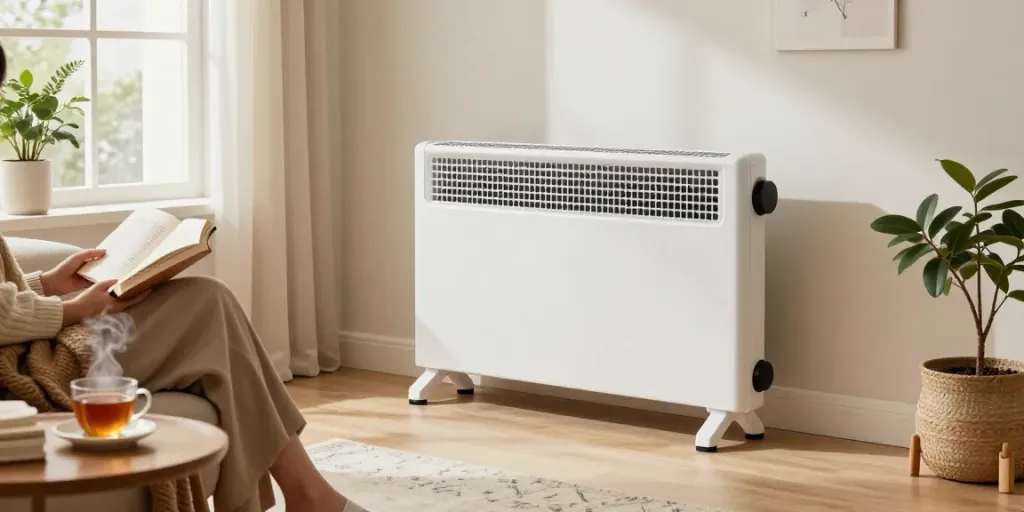
Understanding Electric Convector Heaters
As energy efficiency becomes increasingly crucial in our heating choices, electric convector heaters have emerged as a popular solution for localized heating needs. These innovative devices not only provide warmth but do so with a focus on energy conservation and user convenience. When exploring options, convector heater options can provide comprehensive insights into energy-efficient heating solutions that enhance comfort without skyrocketing electricity bills.
What is an Electric Convector Heater?
An electric convector heater is a device specifically designed to heat the air in a space through the process of natural convection. This type of heater draws in cold air from the bottom, warms it using electrical heating elements, and then releases the heated air from the top. The circulation of air created by this process ensures an even and effective distribution of warmth throughout the room.
How Do Convector Heaters Work?
Electric convector heaters operate based on a simple yet effective principle: as air is heated, it expands and rises. The cold air then replaces it, creating a cycle that continues to circulate throughout the room. Most models include a built-in thermostat that helps to regulate the temperature, turning the heating element on or off as needed to maintain a consistent warmth.
Does It Plug Directly Into a Socket?
Yes, most electric convector heaters are designed as plug-and-play devices. They typically come with a standard plug that fits into a regular electrical outlet, allowing for easy installation without the need for professional assistance. However, it is essential to ensure that the electrical supply can handle the power load of the heater.
Choosing the Right Convector Heater
Wall-Mounted vs. Freestanding Models
When selecting the right model, consider where you will use the heater. Wall-mounted units are ideal for permanent installation in frequently used spaces like living rooms and bedrooms, saving valuable floor space. In contrast, freestanding models offer flexibility, allowing users to move the heater between rooms as needed.
Factors to Consider When Selecting Wattage
The wattage of the convector heater impacts its ability to heat a room effectively. A general guideline is that for every square meter of space, approximately 100 watts of heating power is required. It's critical to assess your room's size, insulation, and heating needs to select a model with the appropriate wattage.
Identifying Your Heating Needs
Understanding your specific heating requirements will help in choosing the right convector heater. For instance, consider the size of the room, the typical climate conditions in your area, and how often you will use the heater. This information will direct you toward the most suitable model.
Benefits of Using Electric Convector Heaters
Energy Efficiency in Modern Heating
Electric convector heaters are celebrated for their energy efficiency. They convert nearly 100% of the electrical energy into heat, meaning that for every kilowatt-hour (kWh) of electricity consumed, you receive nearly the same amount of heat output. This efficiency leads to lower energy bills and reduced environmental impact compared to other heating systems.
Cost-Effectiveness and Running Costs
The running costs of electric convector heaters can vary based on several factors, including the heater's wattage, the duration of use, and local electricity rates. Generally, lower-wattage heaters will cost less to operate over time, provided they are correctly sized for their intended space.
Comfort Control with Smart Features
Many modern electric convector heaters come equipped with smart features such as programmable timers, remote controls, and app connectivity. These features allow users to manage heating schedules conveniently, ensuring spaces are warm when needed and reducing energy waste when they are not in use.
Installation, Placement, and Safety Guidelines
Proper Installation Techniques for Convector Heaters
While most electric convector heaters are easy to install, adhering to the manufacturer's guidelines is essential. This includes ensuring that the heater is securely mounted (if applicable) and that all electrical connections are safe and compliant with local regulations.
Optimal Placement in Different Room Types
Placement is crucial for achieving maximum efficiency from your heater. For example, positioning the heater near cold drafts or under windows can help intercept cold air and improve circulation. In contrast, freestanding models should be placed on stable, flat surfaces away from furniture or curtains that might obstruct airflow.
Safety Precautions to Follow
When using electric convector heaters, safety should always be a priority. Maintain a clearance of at least 50 cm in front and 30 cm above the unit to prevent overheating. Ensure proper ventilation and avoid covering the unit with clothes or other items that could block airflow.
Comparing Heating Options: Convector vs. Other Heaters
Convector Heaters vs. Oil-Filled Radiators
While both convector heaters and oil-filled radiators provide efficient heating, they operate differently. Oil-filled radiators take longer to heat up but retain warmth longer due to the oil's thermal mass. In contrast, convector heaters offer quicker heating and are generally lighter and easier to move.
Convector Heaters vs. Fan Heaters
Fan heaters use a fan to distribute warm air quickly throughout a room. They can heat up spaces faster than convector heaters but tend to be noisier and can dry the air. Convectors may take a bit longer to warm a room but do so quietly and without the harsh airflow.
What Are the Limitations of Convector Heaters?
Despite their many advantages, electric convector heaters have limitations. They may not effectively heat large spaces as a standalone heating solution, particularly in poorly insulated homes. Additionally, their performance can be diminished in very cold climates, necessitating supplemental heating methods.
Can a Convector Heater Heat a Whole House?
While electric convector heaters can certainly provide localized heating effectively, relying on them to heat an entire house can be impractical. They are best suited for individual rooms or specific zones within a home. If whole-house heating is desired, consider pairing them with other heating solutions.
Future Trends in Home Heating
As technology advances, the future of home heating is leaning towards smarter systems that integrate sustainability and energy conservation. Innovations may include enhanced smart controls, better energy management systems, and improved designs that align with eco-friendly philosophies.
Convector Heater FAQs
- Does a convector heater use a lot of electricity? Energy usage will depend on the heater's wattage and usage duration, but generally, they are efficient options.
- What are the disadvantages of a convector heater? They may not be suitable for larger spaces and can struggle in poorly insulated rooms.
- What is a convector heater? It's a heating appliance that uses convection to warm the air in a room.
- Which is better, a fan or a convector heater? It depends on personal preferences; convector heaters are quieter, while fan heaters heat faster.