
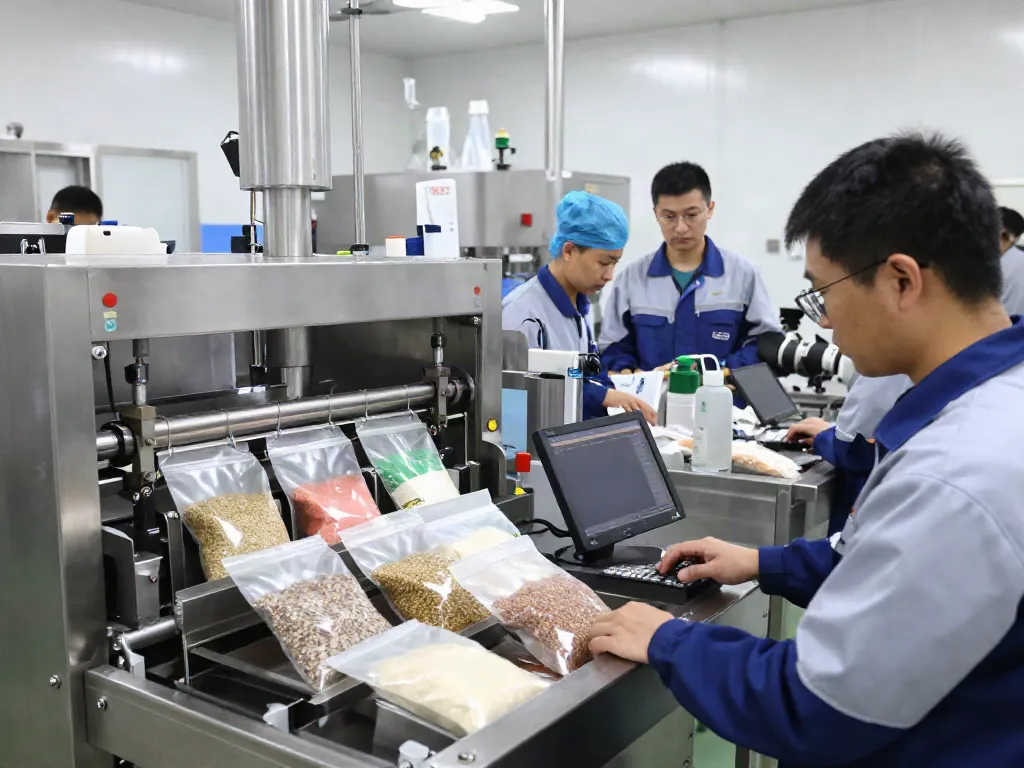
Understanding Automatic Bagging Machines
In today's fast-paced manufacturing landscape, efficiency and precision in packaging processes are paramount. The automatic bagging machine has emerged as a pivotal solution for businesses looking to streamline their operations and reduce costs. Designed to handle a wide variety of products, from dry goods to liquids and powders, these machines are essential for numerous industries including food, pharmaceuticals, and consumer goods. By automating the bagging process, companies can significantly enhance their productivity while minimizing errors associated with manual packaging.
What is an Automatic Bagging Machine?
An automatic bagging machine is a sophisticated piece of equipment designed to package products into bags with minimal human intervention. These machines perform several key functions: they automatically place bags, fill them with the desired product, and seal them, ensuring a consistent and efficient packaging cycle. This automation is not only beneficial for high-volume production lines but also for businesses looking to scale their operations without compromising quality. Automatic bagging machine manufacturers like Durzerd provide insights into how these machines can be integrated into existing workflows for optimal results.
Key Features and Innovations
Modern automatic bagging machines come equipped with a range of innovative features designed to enhance performance and usability. Key features often include:
- Automatic Bag Placement: Reduces manual labor by seamlessly picking and placing bags for filling.
- Variable Speed Control: Adjustable speeds allow for better handling of different products and bag sizes.
- Intuitive User Interfaces: User-friendly controls simplify operation and reduce training time.
- Customizable Bag Sizes: The ability to switch between various bag sizes ensures adaptability to different product dimensions.
- Integrated Weighing Systems: Provides precise filling to minimize waste and ensure accuracy.
Common Applications across Industries
Automatic bagging machines are utilized across various sectors, reflecting their versatility and efficiency. Here are several key applications:
- Food Industry: Ideal for packing snacks, cereals, and frozen foods, ensuring hygiene and compliance with safety standards.
- Pharmaceuticals: Essential for packaging medicines, vitamins, and supplements, where precision and safety are critical.
- Consumer Goods: Used for bagging items like pet food, detergents, and personal care products.
- Industrial Products: Effective for packing hardware components, chemicals, and bulk materials.
Top Automatic Bagging Machine Manufacturers
The automatic bagging machine market is teeming with various manufacturers, each offering unique features and technical support. Understanding the landscape can help businesses make informed decisions about which solutions best fit their needs.
Leading Companies in 2026
As of 2026, several manufacturers have established themselves as leaders in the auto bagging machine industry:
- Durzerd: Renowned for high-quality open-mouth bagging machines and FFS packaging lines that incorporate cutting-edge technology.
- Pregis: Offers innovative solutions tailored to e-commerce and retail needs with a focus on environmental sustainability.
- Sealed Air: Known for its AUTOBAG® systems, which emphasize reliability and flexibility in packaging.
- PAC Machinery: Specializes in a wide range of automatic baggers suitable for various applications.
- Concetti: Leverages advanced technology in the design and installation of automatic bagging systems.
Comparative Analysis of Features
When comparing different manufacturers, consider factors such as:
- Scalability: How well does the machine grow with your production demands?
- Speed: What is the maximum output rate of the machine?
- Customization: Are there options for adjusting machine settings to meet specific product needs?
- After-sales Support: What kind of technical support and maintenance services are offered?
Market Share Insights
The market for automatic bagging machines is projected to grow rapidly due to increasing demand for efficient packaging solutions. Key insights include:
- The rise of e-commerce has significantly boosted the need for automated solutions that enhance packaging speed and reduce labor costs.
- Technological advancements, such as AI integration and IoT connectivity, are facilitating smarter operations and predictive maintenance.
- Environmental considerations are driving manufacturers to develop machines that minimize waste and use sustainable materials.
Factors to Consider When Choosing a Manufacturer
Choosing the right automatic bagging machine manufacturer is critical for optimal operational efficiency. Here are essential factors to keep in mind:
Customization and Versatility
Every business has unique packaging requirements. It is crucial to select a manufacturer that offers customizable solutions to suit different product types and sizes. Look for machines that can easily adapt to changes in your production line, accommodating both current and future needs.
Support and Maintenance Options
Post-purchase support is vital for minimizing downtime. Manufacturers that provide comprehensive training, troubleshooting guides, and responsive customer service can ensure your operations run smoothly. Consider options like extended warranties and maintenance plans when selecting your equipment.
Reviews and Client Testimonials
Researching client feedback and case studies can provide valuable insights into a manufacturer's reliability and performance. Look for testimonials that highlight similar applications and how the machine has improved efficiency and reduced errors in real-world settings.
Trends Shaping the Future of Bagging Machines
The automatic bagging machine industry continues to evolve, driven by technological advancements and changing consumer preferences. Understanding these trends will help businesses remain competitive.
Technological Advancements to Watch
Technology is at the forefront of innovation in the packaging sector. Key advancements include:
- Automation: Increased integration of robotics and machine learning for improved efficiency and precision.
- Connectivity: IoT-enabled machines that allow for remote monitoring and data analysis to optimize performance.
- Smart Technology: AI-driven machines capable of adapting operational parameters in real time based on production needs.
Shifts in Consumer Demand
As consumer preferences shift towards sustainability and convenience, manufacturers are responding by developing eco-friendly materials and more efficient bagging systems. Companies emphasizing sustainable practices in their operations are likely to attract environmentally-conscious consumers.
Environmental Considerations and Sustainability
In response to global concerns regarding environmental impact, the automatic bagging machine industry is seeing a significant push towards sustainability. This includes:
- Biodegradable Packaging: The development of machines capable of handling eco-friendly materials.
- Energy Efficiency: Machines designed to consume less power while maintaining high output.
- Waste Reduction Strategies: Systems that minimize material waste during the packing process.
Implementation and Best Practices
To maximize the benefits of integrating an automatic bagging machine, businesses should follow best practices during implementation.
Steps for Successful Integration
Successful integration of an automatic bagging machine involves several key steps:
- Assess Your Needs: Determine the specific packaging requirements, including product types and production volume.
- Choose the Right Equipment: Select a machine that aligns with your production goals and offers flexibility for future changes.
- Training Staff: Ensure that your team is adequately trained on the new equipment to maximize its potential.
Maximizing Efficiency and Reducing Errors
To ensure that your packaging operations run smoothly, consider the following strategies:
- Regular Maintenance: Schedule routine maintenance checks to keep your machines in optimal condition.
- Monitor Performance Metrics: Analyze data on production rates, error rates, and downtime to identify areas for improvement.
Monitoring Performance Metrics
Measuring the effectiveness of your automatic bagging machine is crucial for ongoing improvement. Key metrics to track include:
- Output Rate: How many bags are produced per minute or hour?
- Product Dispersion: Are there consistent fill levels, or do errors occur frequently?
- Downtime: What are the causes of downtime, and how can they be mitigated?
What are the benefits of using automatic bagging machines?
Automatic bagging machines offer numerous benefits, including increased efficiency, reduced labor costs, improved packaging consistency, and lower packaging errors. These machines help businesses meet rising consumer demand for high-quality packaging while optimizing their operations.
How do I choose the right automatic bagging machine manufacturer?
When selecting a manufacturer, consider their experience, product offerings, customization options, after-sales support, and client testimonials. These factors will help ensure that you find a partner that meets your specific packaging needs.
What trends are emerging in the automatic bagging industry?
Emerging trends include advancements in automation and connectivity, a focus on sustainability, and shifts towards eco-friendly packaging materials. Manufacturers are adapting to these changes to enhance their offerings and meet evolving consumer expectations.
What industries benefit most from bagging machines?
Industries such as food processing, pharmaceuticals, chemicals, and consumer goods are primary beneficiaries of automatic bagging machines due to their need for efficient and reliable packaging solutions.
How can automatic bagging machines reduce packaging errors?
By automating the bagging and sealing processes, these machines minimize human error, ensuring consistent fill levels and reducing the risk of mispackaged products. This leads to improved quality control and customer satisfaction.